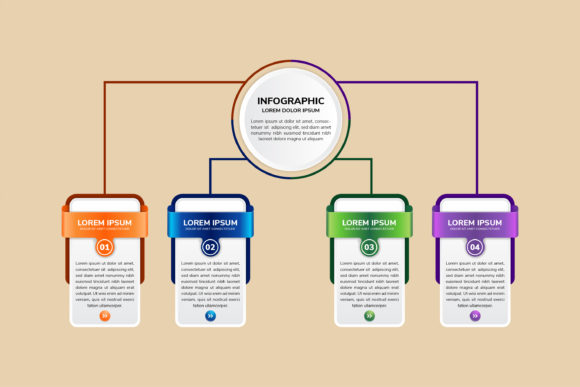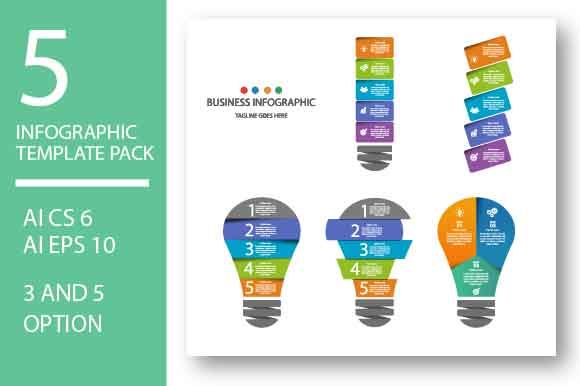
Unlocking Visual Communication with a Versatile Infographic Template Design Pack
In the modern digital landscape, the ability to convey complex data through clear, engaging visuals is not just a luxury; it is a necessity. Whether you are a business owner presenting quarterly results, an educator explaining scientific concepts, or a marketer crafting a social media campaign, the demand for high-quality graphical content is immense. This is where a comprehensive Infographic Template Design Pack becomes an invaluable asset. By providing a robust foundation of editable vectors and structured layouts, these packs empower creators to produce professional-grade visualizations without starting from scratch.
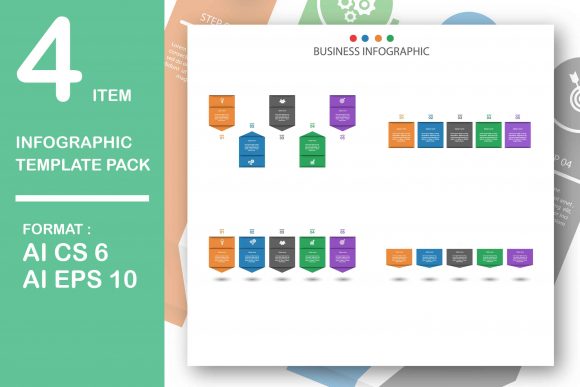
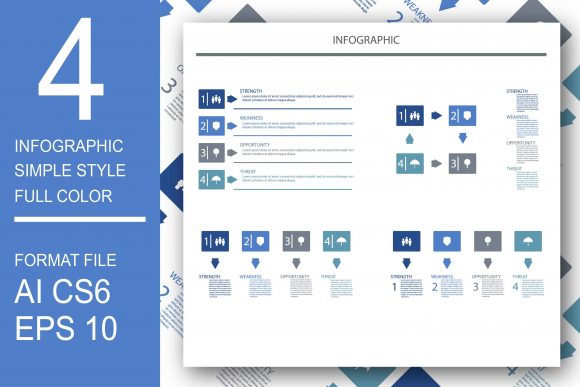
The core value of such a design pack lies in its versatility and technical accessibility. When a collection includes files in AI CS6 and AI EPS10 formats, it ensures compatibility with a wide range of vector editing software, most notably Adobe Illustrator. This compatibility is crucial for professionals who require precision. Unlike raster images that lose quality when scaled, the 100 AI and EPS vectors included in a premium pack remain crisp and sharp regardless of their size. This scalability allows a single design element to be used on a massive outdoor billboard or a tiny mobile app icon with equal fidelity.
The Technical Advantage of Vector-Based Assets
Understanding the difference between raster and vector graphics is fundamental to leveraging these templates effectively. Raster images, such as standard JPEGs or PNGs, are made of pixels. When you enlarge them, they become blurry and pixelated. In contrast, the elements found in a high-quality Infographic Template Design Pack are mathematically defined paths. This means that every line, curve, and shape can be manipulated infinitely without degradation.
The inclusion of AI EPS10 format is particularly significant. EPS (Encapsulated PostScript) is a legacy format that maintains broad compatibility across different graphic design applications, including older versions of software and alternative vector editors like CorelDRAW or Inkscape. Meanwhile, the AI CS6 files offer native support for Adobe Illustrator users, allowing for seamless layer management, clipping masks, and advanced styling options. Having both formats ensures that no matter what workflow a designer employs, they can access and modify the assets immediately.
Furthermore, the fully editable nature of these element infographic vectors cannot be overstated. A user is not locked into a specific color scheme or layout. If a brand requires a specific hex code for its logo or a chart needs to reflect new data points, the designer can simply select the vector path and adjust the fill, stroke, or dimensions. This level of control transforms a static template into a dynamic tool that adapts to specific project requirements.
Diverse Applications in Print and Digital Media
The utility of an Infographic Template Design Pack extends far beyond simple web graphics. One of the primary strengths of vector-based infographics is their suitability for print design works. Because the resolution is infinite, these elements are perfect for creating large-format posters, detailed brochures, annual reports, and even product packaging. A marketing team can take a set of statistical icons from the pack, arrange them into a compelling narrative, and print them on high-gloss paper for a trade show booth, confident that the lines will remain razor-sharp.
Conversely, these same assets translate effortlessly to the digital realm. In an era where mobile traffic often surpasses desktop usage, the ability to measure and scale content easily is vital. Element infographics can be resized to fit various screen densities, from standard smartphones to high-resolution retina displays, ensuring that the visual message is never lost due to poor formatting. Web designers can export specific sections of the vector file into optimized PNG and JPEG formats, balancing file size and quality to ensure fast loading times without sacrificing visual appeal.
Beyond static images, these graphics are also highly useful for PowerPoint templates. Presenters often struggle to find cohesive icons and charts that match their slide deck's theme. By importing vector elements directly from Illustrator into PowerPoint (or exporting them as high-resolution SVGs if the version supports it), speakers can create dynamic, custom slides that stand out from generic clip-art presentations. This capability enhances the professionalism of corporate pitches, educational lectures, and conference talks.
Streamlining the Creative Workflow
For hobbyists and professionals alike, time is a critical resource. Creating an infographic from a blank canvas involves sketching, vectorizing, coloring, and arranging—a process that can take hours or even days. Utilizing a pre-made Infographic Template Design Pack drastically reduces this timeline. Instead of drawing a bar chart or a timeline arrow from scratch, the creator selects a pre-designed element that fits the narrative and customizes it. This efficiency allows more time to be spent on data analysis, storytelling, and strategic planning rather than repetitive drafting.
Consider the workflow of a content creator managing a blog. They need to illustrate a post about renewable energy trends. With a comprehensive pack containing 100 distinct vectors, they can quickly assemble a visual representation of solar panel growth, wind turbine efficiency, and carbon footprint reduction. Since the files are organized and labeled within the AI CS6 structure, finding the right icon—be it a leaf, a gear, or a lightning bolt—is instantaneous. This streamlined process encourages consistency in branding, as the same style of vectors can be reused across multiple articles, reinforcing the site's visual identity.
Enhancing Data Comprehension and Engagement
The primary goal of any infographic is to make information easier to understand. Human brains process visual information significantly faster than text. A well-structured infographic breaks down dense paragraphs into digestible chunks using icons, flowcharts, and graphs. The elements within a professional design pack are crafted with these cognitive principles in mind. They utilize clear hierarchies, intuitive symbols, and balanced spacing to guide the viewer's eye through the data logically.
When educators use these tools, they can transform abstract concepts into concrete visuals. For instance, a history teacher might use timeline vectors to map out historical events, while a biology instructor could use process diagrams to explain cellular respiration. The flexibility of the vector editing software allows these educators to tweak the complexity of the diagram to suit the age group of their students, simplifying or adding detail as needed.
Similarly, researchers and analysts benefit from the ability to visualize complex datasets. A financial analyst can use the chart templates to display market trends, adjusting the axes and data points to accurately reflect real-world figures. Because the underlying vectors are clean and precise, the resulting graphics maintain a sense of authority and accuracy, which is essential when presenting factual information to stakeholders or the public.
Export Options and Format Flexibility
While the native AI and EPS files are ideal for editing, the final delivery of a project often requires different formats. A robust Infographic Template Design Pack facilitates this transition smoothly. Users can isolate specific elements or entire compositions and export them into a variety of formats depending on the end-use.
- PNG: Ideal for web use where transparency is required, such as overlaying icons on colored backgrounds or integrating graphics into website headers.
- JPEG: Suitable for photographs or complex illustrations where file size needs to be minimized for email attachments or social media sharing.
- PDF: Perfect for print-ready documents, ensuring that fonts and vector paths are preserved exactly as designed.
- SVG: Increasingly popular for responsive web design, allowing graphics to scale dynamically with the browser window.
This flexibility ensures that the work produced is not siloed in one medium. A graphic designed for a printed brochure can be quickly adapted for a website banner or a mobile app interface. This cross-platform adaptability maximizes the return on investment for the design pack, as a single purchase serves multiple channels of communication.
Considerations for Effective Implementation
While the advantages of using a template pack are numerous, effective implementation requires a thoughtful approach. It is tempting to simply drop elements onto a canvas, but true design excellence comes from customization. Users should take the time to align the color palette of the vectors with their specific brand guidelines. The beauty of having fully editable files is that you are not bound by the default colors of the template. Changing a blue theme to a corporate red or a vibrant orange can completely alter the mood and reception of the infographic.
Additionally, context is key. Not every vector in a pack of 100 will be relevant to every project. Curating the right elements is part of the design process. Overcrowding an infographic with too many icons or decorative elements can distract from the core message. The best practice is to use the templates as a framework, stripping away unnecessary details and focusing on clarity. The clean lines and professional geometry of AI EPS10 vectors provide a solid base, but the designer's judgment determines the final impact.
Moreover, understanding the limitations of the medium is important. While vectors are scalable, the complexity of a design might need to be reduced for very small screens, such as smartwatches or mobile notifications. In these cases, exporting simplified versions of the vector elements ensures legibility. The ability to edit the stroke weight and simplify paths in Adobe Illustrator makes this optimization straightforward.
Empowering a Broad Spectrum of Creators
The democratization of design tools has opened doors for a wide audience. A Infographic Template Design Pack is not exclusively for seasoned graphic designers. Small business owners with basic knowledge of design software can create their own marketing materials, saving on agency fees. Students can produce high-quality projects for their portfolios. Non-profit organizations can craft compelling campaigns to raise awareness for their causes without exceeding tight budgets.
The presence of AI CS6 compatibility ensures that even those who have not upgraded to the latest subscription-based versions of Adobe Creative Cloud can still access and utilize these powerful resources. This inclusivity fosters a creative environment where the focus remains on the message and the story being told, rather than the technical barriers of software availability.
In conclusion, the integration of a high-quality Infographic Template Design Pack into a creative workflow offers profound benefits. From the technical superiority of 100 AI and EPS vectors to the practical applications in print, web, and presentations, these tools bridge the gap between raw data and engaging storytelling. By offering full editability, format flexibility, and cross-platform usability, they empower users to communicate more effectively, efficiently, and beautifully. Whether the goal is to inform, persuade, or entertain, these vector assets provide the foundational building blocks for visual success in an increasingly image-driven world.