Why a Loyalty Program Flat Illustration Transforms Your Landing Page Design
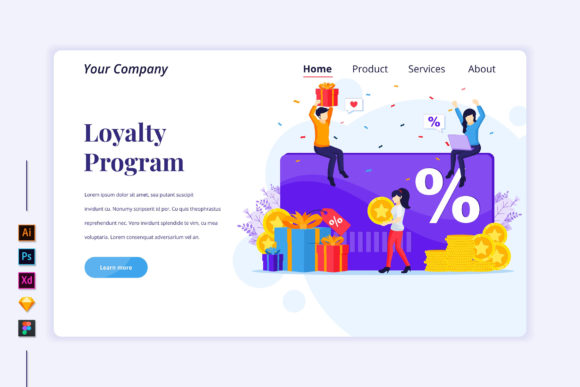
Imagine you are scrolling through your phone, looking for a new coffee subscription or perhaps a fitness app. You land on a homepage that is cluttered with stock photos of people shaking hands in generic office settings. It feels stiff, impersonal, and frankly, a bit outdated. Now, picture a different scene: a clean, vibrant interface where a group of stylized, happy characters is actively receiving gift boxes, holding discount tags, and checking their reward points on a digital card. This is the power of a Loyalty Program Flat Illustration. It isn't just a pretty picture; it is a strategic tool that instantly communicates value, excitement, and clarity to your potential customers.
In the world of digital marketing, specifically within loyalty marketing programs, visual communication happens in milliseconds. Before a user reads a single word of your copy, they have already formed an opinion based on your visuals. A flat vector illustration designed around the concept of rewards and bonuses cuts through the noise. It simplifies complex ideas—like point accumulation tiers or referral bonuses—into digestible, friendly imagery that invites interaction rather than confusion.
Bringing Abstract Rewards to Life
The core challenge of any loyalty scheme is making the benefits feel tangible. Telling a customer they will earn "points" is abstract. Showing them a cheerful character unlocking a treasure chest or holding a giant percentage-off sign makes the reward feel real and attainable. When you integrate a Loyalty Program Flat Illustration into your landing page design, you are essentially visualizing the emotional payoff of joining your program.
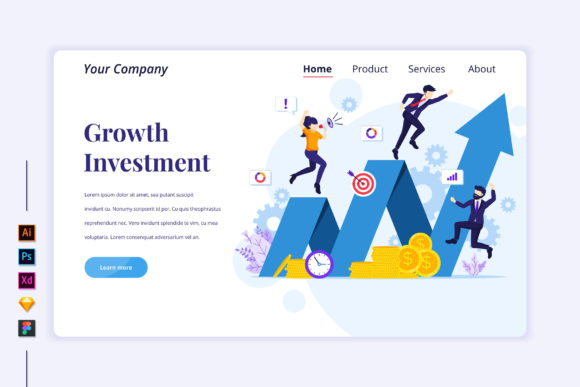
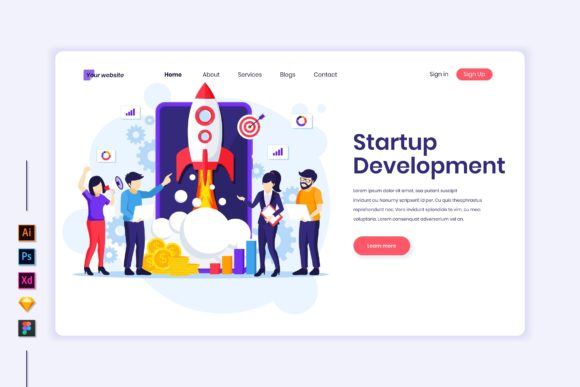
These illustrations typically feature key elements like gift boxes, discount badges, loyalty cards, and smiling communities. Because they are created in a flat design style, they remove unnecessary shadows and gradients that can date a website quickly. Instead, they rely on bold colors and clear shapes to guide the eye. This style resonates deeply with modern audiences aged 20 to 50, who appreciate clean aesthetics and intuitive user interfaces. Whether you are a small business owner launching your first rewards app or a marketer revamping an existing e-commerce site, this visual approach bridges the gap between your brand and your user's desire for recognition.
Real-World Applications Across Industries
The versatility of these vector assets means they aren't limited to just one type of business. Let's look at how different professionals can leverage this specific design concept in their daily work.
E-commerce Store Owners: If you run an online boutique, your "Hero Image" (the large banner at the top of your site) is prime real estate. Replacing a standard product shot with a custom illustration of customers enjoying discounts can increase click-through rates. It sets a tone of celebration before the user even browses the catalog.
SaaS Founders and App Developers: For software companies, explaining a tiered subscription model can be dry. Using a flat illustration where characters level up or collect badges as they use more features gamifies the experience. It turns a boring pricing table into an engaging journey.
Educators and Course Creators: If you sell online courses, student retention is key. You can use these graphics in your learning management system to visualize progress. When a student completes a module, showing them a graphic similar to the "gift box" or "bonus" elements from the illustration reinforces their achievement and encourages them to continue.
Freelance Designers and Agencies: For creatives building client websites, having access to fully editable source files is a lifesaver. Instead of spending hours drawing icons from scratch, you can drop these vectors into a layout, tweak the colors to match the client's brand palette, and deliver a polished landing page in record time.
The Technical Advantage of Vector Graphics
Beyond the aesthetic appeal, the technical format of these illustrations offers significant practical benefits. The term "vector" is crucial here. Unlike standard JPEG images that become pixelated and blurry when you stretch them, vector files are mathematical equations. This means every element in the Loyalty Program Flat Illustration is 100% vector and can be resized to any dimension without losing quality.
Consider a scenario where you design a banner for a desktop website. Later, you need that same image for a mobile web version, a printed flyer for an in-store promotion, and a massive trade show booth backdrop. With raster images, you would need three different files. With a vector-based template, you simply scale the artwork up or down. The lines remain crisp, and the colors stay vibrant whether the image is two inches wide or twenty feet wide.
Furthermore, the editability of these files cannot be overstated. Most high-quality templates come with well-organized layers in Adobe Illustrator (.Ai), Photoshop (.psd), and other formats like Sketch, Figma, and Adobe XD. This organization allows you to change the text on a reward card, swap the color of a gift box to match your brand guidelines, or even remove specific characters if they don't fit your narrative. You aren't stuck with a static image; you own a flexible design asset.
Choosing the Right Asset for Your Project
Before you download or purchase a design template, there are a few practical considerations to keep in mind to ensure it fits your workflow and goals.
- File Format Compatibility: Ensure the download package includes the software you actually use. While Adobe Illustrator is the industry standard for vectors, many web designers prefer Figma or Sketch. A comprehensive pack that includes .fig, .sketch, .xd, and EPS10 ensures you won't hit a roadblock during implementation.
- Customization Potential: Look for files described as "fully editable." Check if the text is converted to outlines or if it remains live text. Live text allows you to change "50% Off" to "Free Shipping" instantly without needing to redraw anything.
- Resolution for Non-Vector Uses: Even though the source is vector, you will often need to export to PNG or JPG for web use. Ensure the package provides high-resolution exports (300 DPI) so your images look sharp on retina displays and in print materials.
- Emotional Tone: Does the illustration match your brand voice? A group of "happy people" works wonders for lifestyle brands, community apps, and consumer goods. However, if you are in a highly conservative sector like legal services or heavy industrial manufacturing, you might need to assess if the playful nature of the illustration aligns with your corporate identity or if it needs toning down via color adjustments.
Maximizing Engagement Through Visual Storytelling
Ultimately, the goal of using a Loyalty Program Flat Illustration is to tell a story without words. It tells the user: "If you join us, good things happen." It visualizes the cycle of engagement—buy, earn, redeem, smile. In a digital landscape saturated with content, clarity is king. By using clean, scalable, and emotionally resonant graphics, you reduce the cognitive load on your visitors. They don't have to guess what your loyalty program is about; they see it immediately.
Whether you are building a landing page from scratch, updating an old banner, or creating an infographic to explain your new bonus structure, these assets provide a professional foundation. They allow you to focus on your strategy and copy while resting assured that your visual presentation is modern, adaptable, and effective. For entrepreneurs and marketers alike, investing in high-quality, editable vector resources is not just about saving time on design; it is about elevating the entire user experience and driving real conversions through the simple, universal language of visual joy.