Study Protocol Elements Onboarding: A Guide to Structured Clinical Trial Setup
In the complex landscape of clinical research, the initial phase of setting up a study is often the most critical determinant of its long-term success. Study Protocol Elements Onboarding refers to the systematic process of defining, inputting, and validating the core components of a clinical trial protocol before active recruitment or data collection begins. This phase ensures that every variable, from inclusion criteria to visit schedules, is accurately translated into the electronic data capture (EDC) system or clinical trial management system (CTMS). For researchers, sponsors, and data managers, understanding this onboarding workflow is essential for maintaining data integrity and regulatory compliance.
The concept extends beyond simple data entry; it represents a structured methodology for aligning the scientific vision of a protocol with the technical realities of data management. When organizations utilize a study protocol elements onboarding vector template, they are adopting a visual and logical framework that standardizes how information is gathered and processed. This approach minimizes ambiguity and reduces the risk of costly amendments later in the trial lifecycle.
Why Structured Onboarding Matters in Clinical Research
Individuals and organizations evaluate study protocol onboarding processes primarily to mitigate risk. Clinical trials involve significant financial investment and, more importantly, patient safety. A disorganized start can lead to protocol deviations, missing data, and regulatory findings. By implementing a rigorous onboarding sequence, stakeholders ensure that the study design is feasible and that the systems supporting the trial are configured correctly from day one.
There are several compelling reasons to prioritize a formalized onboarding structure:
- Data Quality Assurance: Defining elements early allows for the creation of robust edit checks and validation rules, preventing erroneous data entry at the source.
- Operational Efficiency: A clear roadmap reduces the time spent on back-and-forth communications between clinical operations and data management teams.
- Regulatory Alignment: Structured onboarding ensures that all protocol elements align with Good Clinical Practice (GCP) guidelines and specific regulatory requirements before the first patient is enrolled.
- Scalability: Standardized templates allow multi-site studies to onboard centers consistently, ensuring uniformity across different geographical locations.
The Five-Step Web Page Walkthrough Model
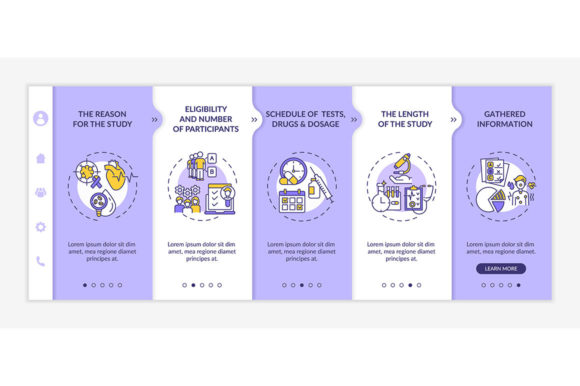
To visualize how effective onboarding functions, many modern platforms utilize a responsive mobile website interface featuring a five-step screen walkthrough. This user-centric design breaks down the complex task of protocol setup into manageable segments, guiding the user through the process with clarity. While the specific software may vary, the logical flow generally adheres to the following progression:
- Information Gathering: The initial screen focuses on collecting high-level study details, such as the protocol title, version number, principal investigator details, and therapeutic area. This step sets the context for all subsequent configurations.
- Population Definition: The second step involves detailing inclusion and exclusion criteria. Here, users define the specific demographics and medical history requirements that determine patient eligibility.
- Visit Schedule Configuration: In the third stage, the timeline of the study is established. This includes defining screening visits, treatment periods, and follow-up intervals. A tests schedule color concept is often employed here, using linear illustrations and color coding to differentiate between routine assessments and specialized procedures.
- Data Point Mapping: The fourth screen requires mapping specific data collection fields to the visit schedule. This ensures that every required data point has a designated time for collection.
- Review and Validation: The final step provides a comprehensive summary of all entered elements. Users can review the logic, check for conflicts, and formally approve the protocol build before it goes live.
This sequential approach, often supported by icons and intuitive navigation, reduces cognitive load for the user. It transforms a potentially overwhelming administrative task into a guided experience, ensuring that no critical element is overlooked.
Benefits and Tradeoffs of Vector Template Integration
Utilizing a study protocol elements onboarding vector template offers distinct advantages, particularly regarding flexibility and scalability. Vector graphics, which include formats like EPS, AI, and SVG, allow illustrations and diagrams to be scaled infinitely without losing resolution. This is crucial for creating responsive designs that look sharp on both desktop monitors and mobile devices. When a ZIP file contains EPS, JPG, PNG, SVG, and AI formats, it provides maximum compatibility for various stages of the development and documentation process.
The primary benefit of this approach is visual clarity. Linear illustrations with a coordinated color concept help stakeholders quickly grasp the flow of the study. For instance, color-coding different types of tests within the schedule allows site coordinators to instantly recognize resource-intensive visits versus standard check-ups. This visual aid supports better planning and resource allocation at clinical sites.
However, there are tradeoffs to consider. Relying heavily on pre-designed templates can sometimes lead to rigidity if the study design is highly novel or adaptive. If a protocol deviates significantly from standard models, forcing it into a fixed template structure might obscure unique requirements. Additionally, while vector files offer quality, they require specific software expertise to edit effectively. Teams lacking design resources may find themselves dependent on external vendors to modify the underlying assets, which can slow down iteration cycles.
Ideal Use Cases and Strategic Fit
Study Protocol Elements Onboarding is a strong fit for scenarios where standardization and speed are paramount. It is particularly valuable for:
- Multi-Center Trials: Large studies involving numerous sites benefit immensely from a unified onboarding process that ensures every location interprets the protocol identically.
- Phase II and III Studies: As trials move into later phases, the complexity of data collection increases. A structured onboarding system helps manage this complexity without sacrificing accuracy.
- Decentralized Clinical Trials (DCTs): In trials where patients participate remotely, clear digital onboarding is essential for guiding patients and remote staff through the protocol requirements.
- Regulatory Submissions: When preparing documentation for ethics committees or regulatory bodies, having a visually clear and logically structured protocol overview can facilitate faster reviews.
In these situations, the investment in a robust onboarding framework pays dividends by reducing query rates and accelerating database lock times.
When to Consider Alternatives
Despite its benefits, a rigid template-based onboarding approach may not be suitable for every situation. Alternatives should be considered when:
The Study Design is Highly Adaptive: Platform trials or basket trials that change parameters dynamically based on interim results may outgrow static onboarding templates. In these cases, a more fluid, code-driven configuration approach might be necessary to accommodate real-time changes.
Resources are Extremely Limited: For small, investigator-initiated studies with minimal funding, the overhead of implementing a sophisticated vector-based onboarding system might be disproportionate to the study's scale. A simpler spreadsheet-based approach or basic form builder might suffice for low-risk, observational studies.
Legacy System Constraints: If an organization is locked into older EDC systems that do not support modern web standards or responsive design, integrating advanced vector templates and mobile-friendly walkthroughs may be technically unfeasible without a full system overhaul.
Making the Decision: Practical Insights
Deciding whether to adopt a formalized Study Protocol Elements Onboarding strategy requires a balanced evaluation of your study's complexity, budget, and timeline. Ask yourself if the potential reduction in data queries and protocol deviations justifies the initial setup effort. If your team struggles with consistent interpretation of protocols across sites, or if data cleaning consumes a disproportionate amount of your timeline, a structured onboarding process is likely a high-value investment.
Furthermore, consider the long-term utility of the assets. A well-designed vector template library is not a single-use tool; it can be repurposed for future studies, creating a compounding return on investment. The ability to export assets in multiple formats (EPS, JPG, PNG, SVG, AI) ensures that your documentation remains versatile for presentations, regulatory filings, and training materials.
Ultimately, the goal is to align your operational tools with your scientific objectives. By carefully evaluating the fit of study protocol elements onboarding against your specific needs, you can establish a foundation that supports data integrity, enhances collaboration, and drives the successful completion of your clinical research initiatives. Whether you choose a full-scale vector-integrated system or a simplified variation, the principle remains the same: clarity at the start prevents confusion at the finish.