Strategic Visual Assets: Leveraging 37 Damaged Cardboard Parts for Authentic Branding
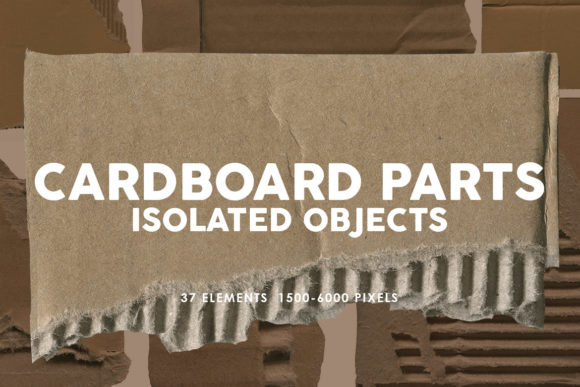
In an era where digital perfection often feels sterile and disconnected, the strategic integration of tactile, imperfect textures can significantly enhance brand resonance. The 37 Damaged Cardboard Parts collection represents more than a simple assortment of image files; it is a curated toolkit designed to inject authenticity, depth, and narrative weight into visual communications. Comprising 37 distinct high-resolution PNG files ranging from 1500 to 6000 pixels at 300 DPI in RGB color space, this asset library offers professionals a versatile foundation for both digital and print applications. For entrepreneurs, marketers, and creatives aiming to differentiate their output, understanding how to deploy these textured elements intentionally is key to achieving superior engagement and long-term brand loyalty.
The Strategic Value of Imperfection in Modern Design
Visual fatigue is a genuine challenge for audiences bombarded with polished, vector-perfect graphics daily. When every social media post and website banner looks algorithmically optimized, the human eye craves something that feels real. This is where the 37 Damaged Cardboard Parts collection becomes a strategic asset rather than just a decorative add-on. Cardboard, by its nature, implies utility, shipping, raw materials, and the unboxing experience—a universal touchpoint in e-commerce and product delivery. By incorporating these damaged textures, you signal transparency and groundedness.
Using these assets allows you to break the "uncanny valley" of corporate design. Whether you are building a logo backdrop that suggests eco-conscious packaging or creating a presentation slide that feels like a working prototype, these textures provide immediate context. They tell a story of movement, handling, and reality. For decision-makers, the choice to use damaged textures is a choice to prioritize authenticity over artificial gloss, a move that often aligns better with consumer values centered on sustainability and honesty.
Optimizing Digital Presence with High-Resolution Textures
The technical specifications of this collection—specifically the 300 DPI resolution and the massive pixel dimensions up to 6000 px—make it uniquely suited for high-fidelity digital environments. While many texture packs degrade when scaled, these files maintain clarity across various viewports. For web designers and developers, this means you can utilize 37 Damaged Cardboard Parts as website wallpapers or hero section backgrounds without worrying about pixelation on retina displays or large desktop monitors.
Consider the application for social media branding. A Facebook cover or Twitter background that utilizes a subtle cardboard overlay can soften the harshness of standard profile grids, creating a cohesive aesthetic that invites users to linger. Similarly, for YouTube channel art, these textures can frame content in a way that suggests a "behind-the-scenes" or workshop vibe, which is particularly effective for creators in the DIY, tech review, or artisanal sectors. The RGB color profile ensures that these images render accurately on screens, preserving the nuanced browns, grays, and wear patterns that give the collection its character.
Furthermore, in app development and UI design, using these parts as subtle dividers or button states can add a layer of skeuomorphic detail that enhances usability by providing familiar tactile cues. However, the key is restraint; the texture should support the interface, not overwhelm the user experience.
Translating Digital Assets into Tangible Print Results
While the RGB format is optimized for screens, the 300 DPI resolution ensures that the 37 Damaged Cardboard Parts translate effectively into print templates, provided color management protocols are observed. For small business owners producing flyers, greeting cards, or invitations, these textures offer a cost-effective way to simulate premium finishes. Instead of paying for expensive embossing or specialty paper stocks, you can achieve a similar visual impact by printing these high-res textures directly onto standard cardstock.
Posters and collages benefit immensely from the variety within the 37-file set. Because each part is different, you can create complex compositions that avoid repetitive tiling patterns, a common pitfall in lower-quality texture packs. This variety is crucial for maintaining viewer interest in large-format prints. For example, a concert poster or an event invitation can use a heavily damaged section as a focal point to convey grit and energy, while using a cleaner section for text legibility.
When preparing these files for print, it is essential to convert the RGB data to CMYK carefully to ensure the earthy tones of the cardboard do not shift unexpectedly. Professional printers can assist with this, but understanding that these assets are print-ready out of the box saves significant pre-production time for freelancers and agencies managing tight deadlines.
Decision-Making Frameworks for Asset Integration
Adopting a new visual resource requires a deliberate approach to ensure it aligns with broader organizational goals. Before integrating 37 Damaged Cardboard Parts into your workflow, consider the following strategic questions:
- Does this align with our brand narrative? If your brand stands for precision, medical sterility, or futuristic technology, heavy cardboard textures might send a conflicting message. However, for brands focused on craftsmanship, logistics, sustainability, or heritage, these assets are highly congruent.
- What is the specific communication goal? Are you trying to evoke nostalgia, suggest durability, or highlight the raw materials of a product? Use the texture to reinforce the message, not just to fill white space.
- How does this affect readability? High-contrast text over complex textures can reduce accessibility. Always test your designs to ensure that the damaged elements do not interfere with the primary call to action or information hierarchy.
Thoughtful planning involves selecting the right file from the 37 options for the right context. Not every part needs to be used in every project. Sometimes, a small crop of a specific tear or fold serves as a powerful accent in a logo design, while a full-scale scan works best as a presentation backdrop. This selective usage demonstrates a mature understanding of design principles.
Risks of Unintentional Usage and How to Mitigate Them
Like any powerful design tool, the 37 Damaged Cardboard Parts collection carries risks if applied without clear intent. The most common pitfall is the "grunge overload," where the aesthetic of decay overshadows the actual content. When textures are applied randomly or excessively, the result can appear amateurish, dirty, or neglected rather than stylishly rustic. This can damage brand perception, making a company look disorganized rather than authentic.
Another risk is context mismatch. Using a battered cardboard texture for a luxury financial service announcement could undermine trust and perceived value. Audiences make subconscious associations quickly; if the visual language contradicts the service offering, conversion rates may suffer. To mitigate this, always A/B test visual variations. Compare a clean, minimalist version of your ad or landing page against one utilizing the cardboard textures to see which resonates better with your specific demographic.
Additionally, relying solely on texture to carry a design is a sign of weak conceptual thinking. These assets should function as a supporting layer that enhances typography, photography, and layout, not as a substitute for strong composition. Ensure that the core message remains the hero of the piece, with the cardboard elements serving as the stage.
Long-Term Value and Operational Efficiency
From an operational standpoint, investing in a comprehensive pack like 37 Damaged Cardboard Parts streamlines the creative process. Instead of sourcing individual images from various stock sites—which often leads to inconsistent lighting, resolution, and licensing issues—having a unified library ensures visual consistency across all marketing channels. This consistency is vital for building brand recognition over time.
For educators and publishers, these assets can be used to create engaging learning materials that stand out from standard textbook visuals. In presentations, they can help break the monotony of bullet points, making data feel more grounded and relatable. The versatility of the PNG format, with its transparent backgrounds, allows for rapid iteration. Designers can drag, drop, and mask these elements into existing workflows without time-consuming cutout processes.
Ultimately, the value of this collection lies in its ability to facilitate better storytelling. In a marketplace saturated with sameness, the courage to embrace imperfection through high-quality, intentional design choices can be the differentiator that drives engagement. By treating these 37 files as strategic components of a larger communication plan, professionals can elevate their output, foster deeper connections with their audience, and achieve more meaningful results.
Whether you are designing a mobile app interface, printing a run of limited-edition posters, or refreshing your corporate identity, the thoughtful application of these textures offers a pathway to distinctiveness. The goal is not merely to decorate but to communicate values of authenticity, resilience, and tangible quality. With careful planning and a clear understanding of your objectives, the 37 Damaged Cardboard Parts become an indispensable resource in your creative arsenal.