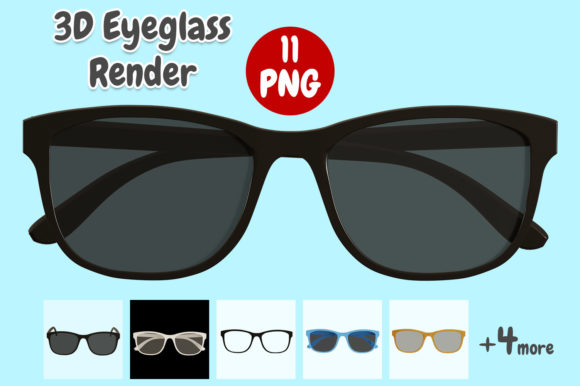
Elevate Designs with High-Res Eyeglasses 3D Render
In the fast-paced world of digital content creation, the difference between a project that blends into the background and one that captures attention often lies in the quality of its visual assets. Whether you are designing a seasonal greeting card, crafting a social media campaign, or laying out a professional advertisement, the imagery you choose sets the tone for your entire message. This is where a high-quality Eyeglasses 3d Render becomes an invaluable resource for creators, marketers, and business owners alike. Unlike standard photography, which can be limited by lighting conditions, model availability, and physical constraints, a meticulously crafted 3D render offers precision, versatility, and a level of polish that elevates any design composition.
The specific asset described here—a Specification File 11 PNG with a file type size around 4800px x 1500px—is not just another stock image. It represents a strategic tool for anyone looking to streamline their workflow while maintaining premium output standards. The dimensions alone suggest a panoramic utility, perfect for wide-format headers, website banners, or video overlays where horizontal space is at a premium. When you integrate a cutout image with a transparent background into your projects, you eliminate the tedious hours usually spent masking and editing in Photoshop. This efficiency allows you to focus on the creative aspects of your work, such as color grading, typography, and layout balance, rather than getting bogged down in technical cleanup.
Why Resolution and Transparency Matter for Professional Results
For professionals targeting an audience aged 20 to 50, visual fidelity is non-negotiable. This demographic is accustomed to high-definition screens on smartphones, tablets, and desktop monitors. A blurry or pixelated image can instantly undermine the credibility of a brand or the professionalism of a freelancer. The Eyeglasses 3d Render discussed here, with its substantial resolution of approximately 4800 pixels in width, ensures that your graphics remain crisp even when scaled or viewed on retina displays. This level of detail is particularly crucial for print materials like posters and invitations, where low-resolution assets can result in jagged edges and poor ink distribution.
Furthermore, the transparent background is a game-changer for versatility. In traditional photography, removing a background often leaves behind halos or artifacts, especially around complex objects like the frames and lenses of eyewear. A native transparent PNG derived from a 3D render bypasses these issues entirely. You can place the eyeglasses over a textured paper background for a vintage greeting card, overlay them on a vibrant gradient for a social media story, or composite them into a busy video scene without worrying about conflicting borders. This flexibility means you can adapt a single asset across multiple platforms—Instagram, LinkedIn, email newsletters, and physical mailers—ensuring brand consistency without needing to source new images for every channel.
Practical Applications Across Industries
The utility of this asset extends far beyond simple decoration. For marketers and advertisers, eyewear often symbolizes clarity, vision, and intelligence. Incorporating a sleek 3D render of glasses into an advertisement for financial services, educational courses, or tech products can subtly reinforce these themes. Because the image is a render, the lighting and reflections on the lenses can be perfectly controlled to match your brand's aesthetic, something that is difficult to achieve consistently with photo shoots.
Content creators and bloggers will find this asset particularly useful for video element content. In YouTube thumbnails or intro sequences, having a high-quality, isolated object that can be animated or layered adds a dynamic feel to the production. Since the file is a PNG, it integrates seamlessly into video editing software without requiring green screen keying. Similarly, small business owners running local optometry clinics or fashion boutiques can use these renders to create eye-catching invitation headers for sales events or new collection launches. The ability to drop the image directly into a design template saves time and reduces the need for expensive graphic design retainers.
Consider the scenario of a freelance designer working on a tight deadline for a client's holiday campaign. Instead of scheduling a photoshoot or searching through endless stock libraries for an image that fits the exact angle and lighting requirements, they can utilize this specification file. The "no watermarks" guarantee is critical here; it ensures the final product is ready for commercial use immediately, avoiding legal pitfalls or the unprofessional look of watermarked previews. The panoramic size (4800px x 1500px) specifically caters to modern web layouts, making it ideal for hero sections on websites where wide, immersive visuals drive engagement.
Maximizing Creativity with 3D Assets
One of the most significant advantages of using a 3D render over a photograph is the freedom it grants your creativity. Photographs capture a specific moment in time with fixed lighting and perspective. A 3D render, however, is born from a digital environment where every variable can be optimized for the end user. While you are receiving a static PNG in this instance, the underlying quality of the render implies a depth and realism that mimics real-world physics. This allows you to blend the object into various environments convincingly.
For educators and publishers, visual aids are essential for breaking up text and illustrating concepts. An image of eyeglasses can represent "focus," "reading," or "perspective." Having a clean, high-res cutout allows these professionals to create engaging worksheets, presentation slides, or book covers that look professionally produced. The lack of distracting backgrounds means the viewer's eye is drawn immediately to the subject matter, improving information retention and communication effectiveness.
It is also worth noting the importance of file management and organization. Dealing with a "Specification File 11" suggests a structured approach to asset library management. For teams and agencies, having standardized, high-quality files with clear naming conventions simplifies collaboration. When everyone on the team knows exactly what resolution and format to expect, it reduces errors and speeds up the approval process. This operational efficiency is a subtle but powerful benefit that contributes to the overall success of a project.
Making the Right Choice for Your Project
While the benefits of high-resolution 3D renders are clear, it is important to consider how they fit into your specific workflow. If your project requires a hyper-realistic, candid lifestyle shot with human models, a standalone object render might need to be composited carefully to match the lighting of the scene. However, for graphic-heavy designs, minimalist aesthetics, or symbolic representations, the Eyeglasses 3d Render is often superior because it offers a level of perfection that reality rarely provides. There are no stray hairs, dust motes, or uneven reflections to worry about.
Additionally, the file size and dimensions should be matched to your output needs. A 4800px wide image is excellent for large formats, but if you are creating small icons for a mobile app, you may need to scale it down. Fortunately, starting with a larger source file gives you the flexibility to downscale without losing quality, whereas upscaling a small image is impossible without degradation. This future-proofs your assets, allowing you to reuse them for larger campaigns later on.
Ultimately, the goal of any creative professional is to communicate their message as effectively and beautifully as possible. Tools that remove friction from this process—such as watermark-free, transparent, high-resolution assets—are essential investments in your productivity. Whether you are a hobbyist designing a personal invitation or an entrepreneur launching a major ad campaign, the quality of your visual elements reflects the quality of your work. By leveraging specialized assets like this eyewear render, you ensure that your content stands out in a crowded digital landscape.
If you have specific questions about how to integrate this file into your current software stack, or if you need advice on licensing for broader commercial distribution, please feel free to contact me through my profile page. I am glad to help you navigate the technical details so you can focus on what you do best: creating compelling content. The right asset can transform a good design into a great one, and having access to reliable, high-specification files is the first step toward achieving that excellence.